When people think about Andaman, they imagine white sand beaches and water sports. But the real soul of the islands lies in its museums. From the emotional stories of freedom fighters to the fascinating tribal heritage and marine biodiversity, the museums in Port Blair offer a powerful and enriching experience.
If you truly want to understand the history, culture, marine ecosystem, and freedom struggle of India, visiting these museums is a must during your Andaman trip.
Most major museums are located in and around Port Blair, making it easy to explore them in one or two days.
Cellular Jail Museum – The Symbol of Sacrifice
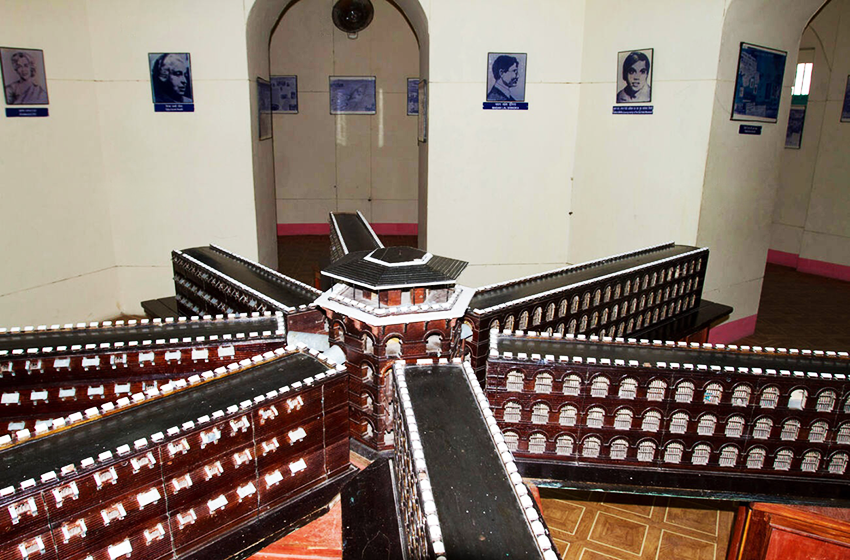
The museum inside the historic Cellular Jail (also known as Kala Pani) is the most important historical attraction in Andaman.
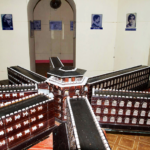
Built in 1906 by the British, this prison had 693 solitary cells constructed in a panopticon design to isolate freedom fighters.
Highlights:
- Galleries displaying photographs and belongings of revolutionaries
- Original prison cells and gallows
- Dedicated gallery related to Netaji Subhas Chandra Bose
- Evening Light and Sound Show narrating the freedom struggle
This is not just a museum — it is an emotional journey into India’s fight for independence.
Kalapani Museum – Detailed Freedom Struggle Narrative
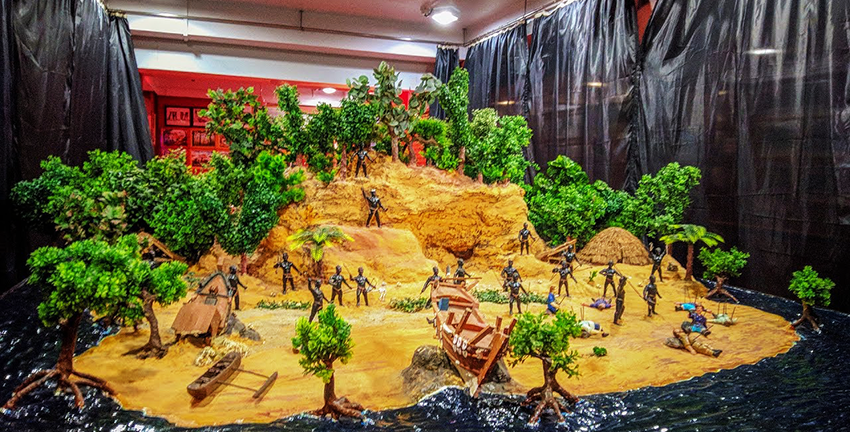
Many tourists are unaware that the Kalapani Museum is different from Cellular Jail.
It is a private 3-floor museum located near Cellular Jail and provides a more detailed explanation of:
- British torture methods
- Rare historical photographs
- Timeline of India’s independence
- Stories of forgotten freedom fighters
For visitors who want deeper historical understanding, Kalapani Museum is highly recommended.
Zonal Anthropological Museum (Tribal Museum)
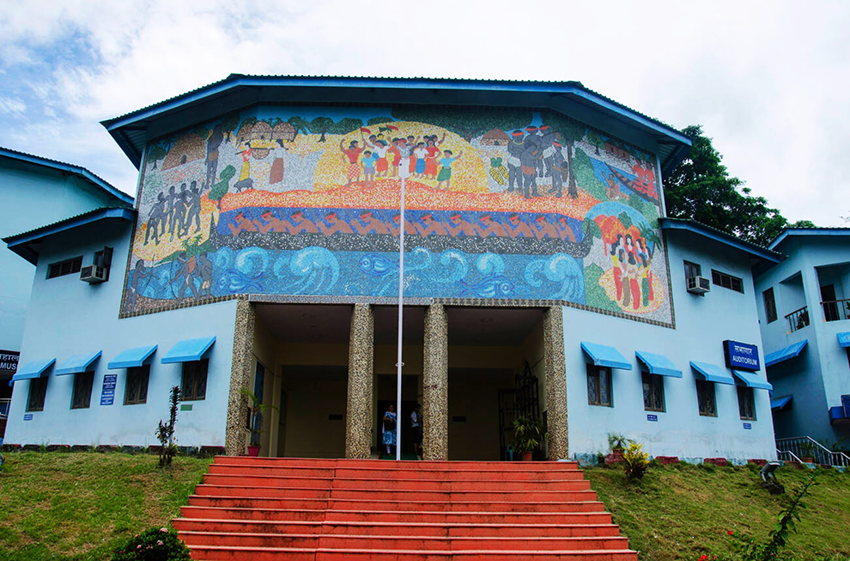
Officially known as the Zonal Anthropological Museum, this museum showcases the indigenous tribal communities of Andaman & Nicobar Islands.
Tribes Covered:
- Great Andamanese
- Onges
- Jarawas
- Shompens
- Nicobarese
What You Will See:
- Traditional hunting weapons
- Canoes and fishing tools
- Ornaments and tribal clothing
- Models of tribal huts
- Documentary screenings
The museum also spreads awareness about tribal protection laws. Direct interaction with protected tribes like the Sentinelese is strictly prohibited, and this museum helps educate visitors about preserving their culture and rights.
Samudrika Naval Marine Museum – Marine Biodiversity Hub
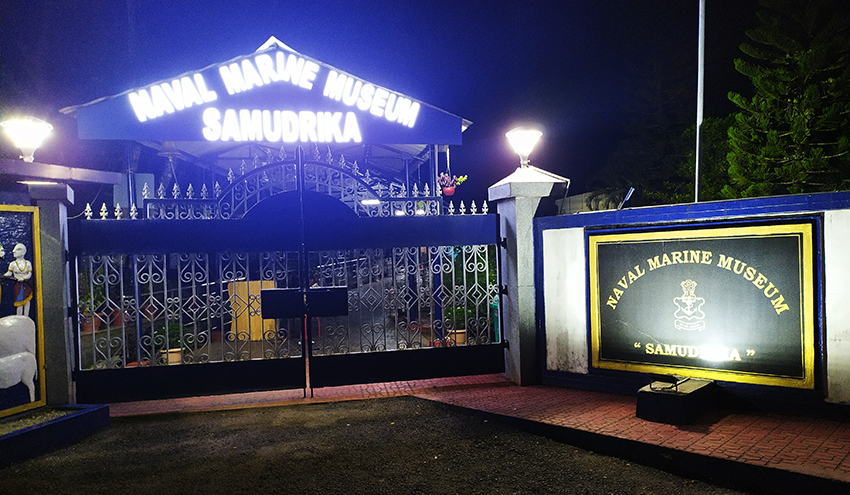
Managed by the Indian Navy, the Samudrika Naval Marine Museum is one of the best places to understand Andaman’s marine ecosystem.
Sections Include:
- Marine Life and Coral Reefs
- Tribal Life
- History of Andaman
- Geography of the Islands
Visitors can see:
- Shell collections
- Coral species
- Marine fossils
- Preserved sea creatures
This museum beautifully explains why Andaman’s coral reefs are so unique and fragile.
Fisheries Museum – Aquatic Life of Andaman
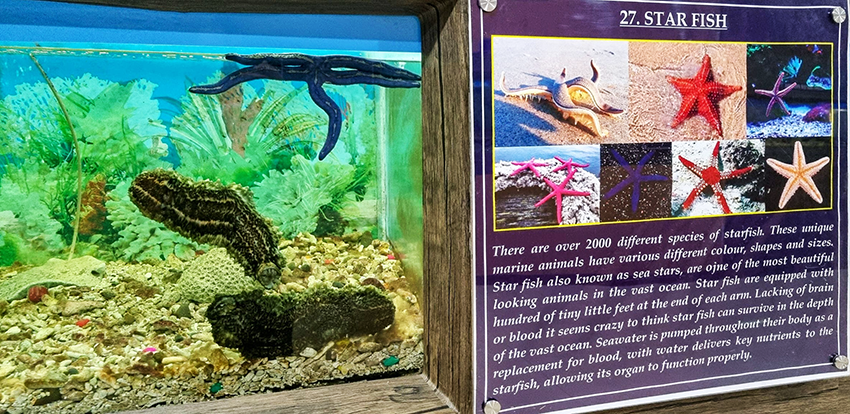
Located near Rajiv Gandhi Water Sports Complex, the Fisheries Museum is operated by the Fisheries Department.
Key Attractions:
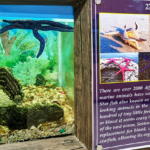
- Over 350 species of marine life
- Preserved fish, crabs, lobsters and rare species
- Coral reef ecosystem models
- Information on sustainable fishing
It is a short but informative visit, especially for children and marine enthusiasts.
Chatham Saw Mill – Asia’s Oldest Timber Mill
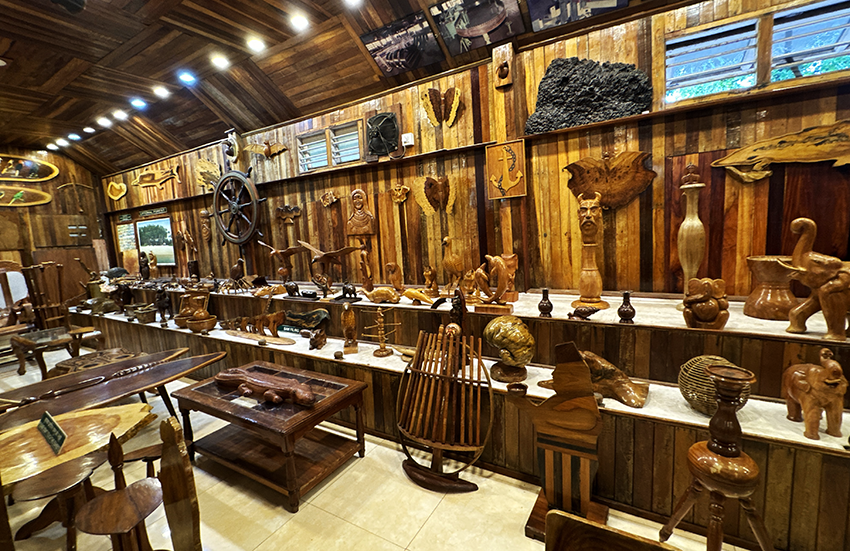
The historic Chatham Saw Mill was established in 1883 and is one of the oldest and largest timber mills in Asia.
Why Visit:
- See massive timber processing machines
- Learn about British-era industrial operations
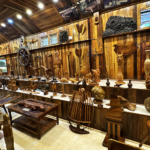
- Explore a small museum section inside
- Discover its role during World War II
This place gives insight into the industrial history of the islands.
Science Centre – Fun Learning for Families
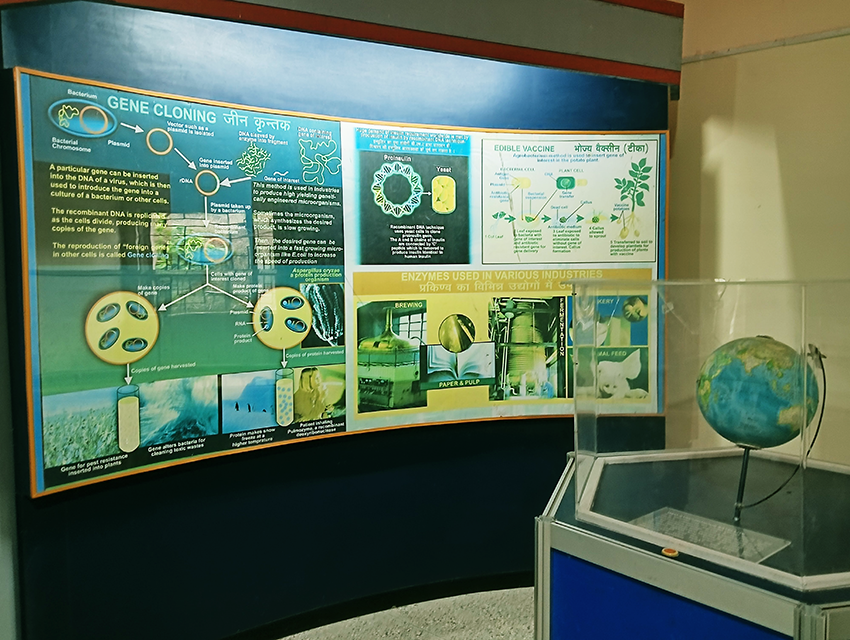
The Science Centre is ideal for families and school groups.
Highlights:
- Interactive science models
- Physics and astronomy exhibits
- Environmental science displays
- Educational demonstrations
It is located near the Corbyn’s Cove Road area and can be combined with a beach visit.
Timings & Entry Fee Information
- Most museums remain open from 9 AM to 5 PM
- Cellular Jail is closed on Mondays
- Entry fees are nominal
- Light & Sound Show requires separate ticket
(Timings may change during holidays, so visitors should confirm locally.)
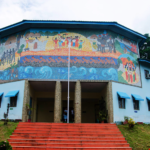
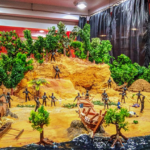
Best Museums of Andaman Gallery:
Best Time to Visit Museums in Andaman
The ideal time is between October and May, when the weather is pleasant for sightseeing.
You can cover:
- 3–4 museums in half a day
- All major museums in one full day
- Cellular Jail Light & Sound Show in the evening
Travel Tips
- Wear comfortable shoes
- Carry water and sunscreen
- Photography may be restricted in some sections
- Combine museum visit with Ross Island, North Bay, Flag Point and Water Sports Complex
Why Museums in Andaman Are Must-Visit
The museums of Andaman are not just buildings with exhibits — they are storytellers of:
- India’s freedom struggle
- Tribal heritage and culture
- Marine biodiversity
- Industrial history
- Scientific awareness
A trip to Andaman becomes truly meaningful only when you understand its history and identity.
These museums make your journey deeper, educational and unforgettable.
Frequently Asked Questions (FAQ)
The top museums in Andaman include the Cellular Jail, Kalapani Museum, Zonal Anthropological Museum, Samudrika Naval Marine Museum, Fisheries Museum, Chatham Saw Mill, and Science Centre. These museums cover history, marine life, tribal culture, and science.
You can cover 3–4 museums in half a day. For a detailed visit including the Cellular Jail Light & Sound Show, it is recommended to plan one full day in Port Blair.
Most museums in Port Blair are open from 9:00 AM to 5:00 PM. The Cellular Jail is usually closed on Mondays. Timings may vary during government holidays.
Yes, most museums charge a nominal entry fee. The Light & Sound Show at Cellular Jail requires a separate ticket.
The Science Centre and Samudrika Naval Marine Museum are excellent for children as they offer interactive exhibits and educational displays.
Absolutely. Cellular Jail and Kalapani Museum provide deep insights into India’s freedom struggle, while the Zonal Anthropological Museum explains tribal history and culture.
Photography is allowed in some sections but restricted in certain areas. It is advisable to check with museum authorities before taking pictures.
Cellular Jail, Kalapani Museum, Samudrika Museum, Fisheries Museum, and Rajiv Gandhi Water Sports Complex are located close to each other, making it easy to cover them in one trip.