
If you are a traveler fascinated by nature’s unusual phenomena, the Mud Volcanoes of Shyamnagar in Shyamnagar are a must-visit destination. These rare geological formations, located in the northern region of Andaman, offer a surreal experience that blends adventure, science, and nature.
Unlike beaches or trekking trails, the mud volcanoes present something truly extraordinary: columns of mud erupting from the earth, creating a spectacle that feels both ancient and magical. For photographers, explorers, and curious minds, this site is a natural marvel waiting to be discovered.
Where Are the Mud Volcanoes of Shyamnagar?
The mud volcanoes are located in the Shyamnagar area of North Andaman, surrounded by dense greenery and tropical forests. They are a little off the usual tourist track, which makes visiting them an adventurous journey in itself.
- Nearest Town: Diglipur (approx. 20–25 km by road)
- Accessibility: By car or motorbike from Diglipur; local guides can help navigate the last stretch of forested paths.
Tip: If there’s no direct road access, you can hike through Diglipur’s verdant tropical forests to reach the mud volcanoes. Enjoy the breathtaking scenery, flora, and fauna along the way.

What Makes Shyamnagar Mud Volcanoes Special?
The mud volcanoes here are a geological rarity, caused by subterranean gas escaping through mud vents. Unlike fiery volcanoes, these eruptions are cool to touch but mesmerizing to watch.
- Natural spectacle: Columns of mud bubble and flow, sometimes reaching several feet in height.
- Scientific interest: Geologists and nature enthusiasts come here to study mud geysers, soil formations, and the surrounding flora.
- Cultural significance: Locals regard these mud volcanoes with awe and respect, often linking them to ancient folklore and mystical beliefs.
- Wildlife spotting: The surrounding forests are home to bird species, reptiles, and unique fauna, making it a paradise for nature and birdwatching enthusiasts.
Things to Do at Shyamnagar Mud Volcanoes
1. Witness the Mud Eruptions
Stand in awe as mud slowly bubbles from the earth, forming miniature peaks and patterns on the ground. Each eruption is unique and unpredictable, making every visit special.
2. Photography
The contrast of dark mud, green forests, and bright sky offers stunning photo opportunities. Capture:
- Bubbling mud vents
- Surrounding tropical forest
- Wildlife along the trek
- Rare geological formations
Tip: The mud patterns change constantly, so your photographs can be truly one-of-a-kind.
3. Nature Walk & Exploration
Take a short hike through tropical forests on your way to the mud volcanoes. Enjoy the vivid greenery, chirping birds, and the peaceful sounds of nature.
4. Learn Geology
This is a perfect opportunity to observe geological processes in action, understanding how these mud volcanoes shape the topography of the Andaman Islands. Guided tours can help explain the science behind the eruptions and soil patterns.
5. Enjoy the Sounds and Sights
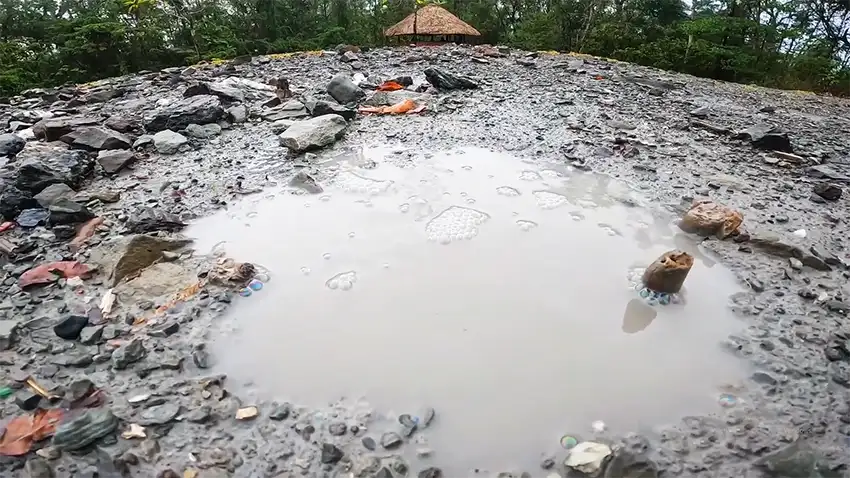
Pause for a moment to listen to the gentle gurgle of mud vents, watch the bubbling pools, and simply soak in the natural magic.
Important Points to Remember
- Not suitable for elderly people or small children due to hiking and muddy terrain.
- Avoid the excursion if you have elevated blood pressure, diabetes, pulmonary issues, or other serious medical conditions.
- Indian citizens can join the day trip with any photo ID; foreign nationals require a Restricted Area Permit (RAP).
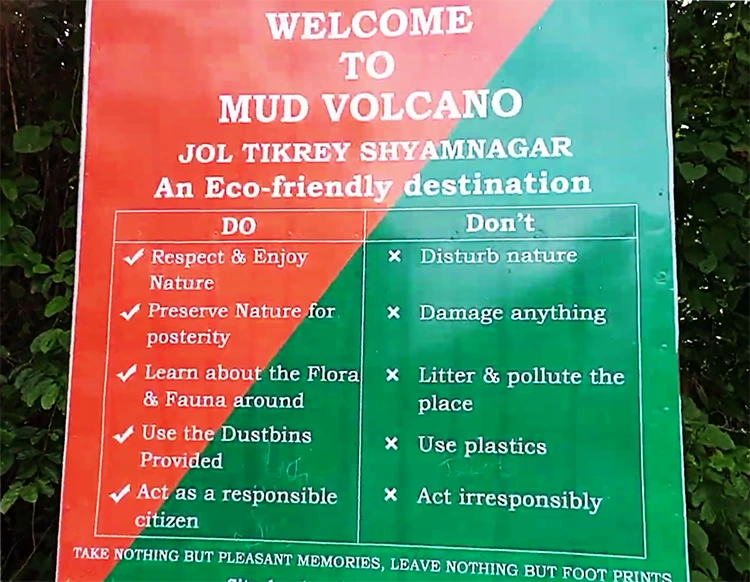
- No campfires, plastic, or environmental disruption allowed-zero impact tourism is essential.
- Wear appropriate footwear and comfortable apparel for trekking through muddy terrain.
- Bring water, snacks, and sun protection for a safe and relaxing visit.
How to Reach Mud Volcanoes of Shyamnagar
Step 1 – Travel to Diglipur
From Port Blair, you can reach Diglipur via:
- Air: Flights to Port Blair, then road travel to Diglipur
- Road & Ferry: Approx. 163 km; about 5 hours through scenic routes
- Local Assistance: Rental cars from Port Blair and take you to Diglipur
Step 2 – From Diglipur to Shyamnagar
Once in Diglipur:
- Hire a local cab or bus to travel 20–25 km to Shyamnagar
- Enjoy the interior island scenery and lively settlements along the way
Step 3 – Hike to the Mud Volcanoes
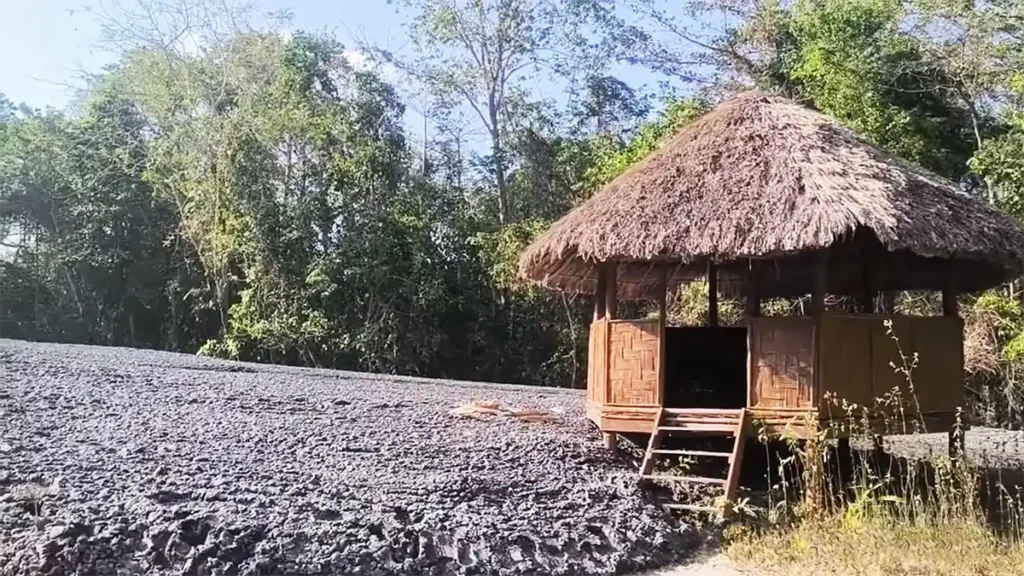
From Shyamnagar, a short hike through tropical forest is required to reach the mud volcano site. This adds to the sense of adventure and discovery.
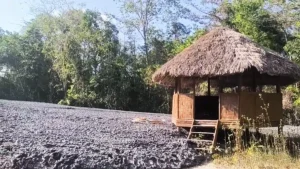
Mud Volcanoes Shyamnagar Gallery


Best Time to Visit
The ideal months are October to April, when the weather is pleasant and the forest trails are navigable.
- Avoid monsoon months (May–September) due to slippery paths and reduced visibility of mud eruptions.
Visiting the Mud Volcanoes of Shyamnagar is an experience that blends thrill, curiosity, and meditation. Watching the earth breathe life through bubbling mud, listening to the sounds of nature, and hiking through lush forests connects you to the raw power and beauty of the Andaman Islands.
It’s not just sightseeing-it’s a soulful journey into the heart of nature, leaving travelers with awe and lasting memories.
The Mud Volcanoes of Shyamnagar are a hidden gem in North Andaman, offering adventure, learning, and serenity in one experience. From bubbling mud vents to tropical forest hikes, this offbeat destination is a perfect addition to any Andaman itinerary, providing memories of nature’s raw power and mystical charm.
Frequently Asked Questions (FAQ)
Yes, but avoid standing too close to active vents; wear appropriate footwear.
October to April, during dry weather.
No facilities; bring essentials and stay in Diglipur town if needed.
By road from Diglipur, with optional guided tours for the final forest trek.
Absolutely! The site is ideal for capturing mud eruptions, forest scenery, and wildlife.